A cracked windshield looks small until you hit a pothole at 40 mph and the fissure runs like ink across glass. At that moment, theory becomes cost. Do you call your insurer, or do you pay the shop directly and keep insurance out of it? I’ve stood on both sides of that counter, estimating jobs and guiding drivers through claims, and the answer depends on a handful of variables that most people don’t see until they’re mid-quote. The right choice can save a few hundred dollars and several hours of hassle. The wrong Mount Pleasant windshield repair one can turn a simple fix into a week of back-and-forth.
This guide unpacks the practical trade-offs. It covers how shops structure windshield replacement pricing, how modern features push costs up, how insurers treat glass claims, and how to judge whether to file or pay cash. If you’re searching auto glass near me and juggling a windshield quote from two different shops, keep reading. You will make a better decision in ten minutes than many drivers make after three phone calls.
When a repair becomes a replacement
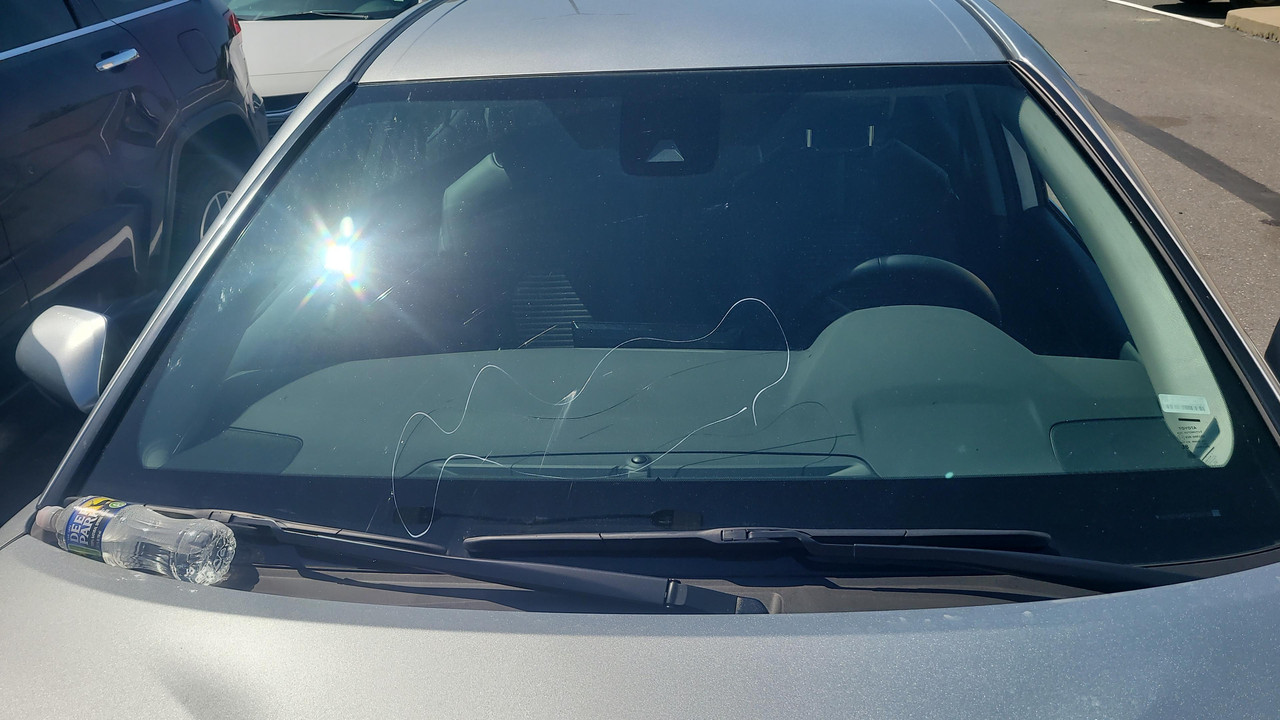
Most drivers don’t realize how forgiving glass can be until a good tech shows what a resin injection can do. Rock chips with a small impact point and short legs can usually be repaired. The rule of thumb most shops use: repair if the chip is smaller than a quarter and cracks are shorter than a few inches, and the damage sits outside the driver’s immediate line of sight. Two exceptions are common. First, if the crack originates at the edge of the glass, stresses from body flex often keep it growing despite a repair. Second, damage in front of the cameras and sensors used for driver-assistance systems often requires replacement, not just for clarity but for system reliability.
Replacement stops being optional when the crack runs, when multiple chips cluster, or when delamination shows as hazy areas near the edges. I’ve seen a hairline crack go from two inches to twelve during an afternoon commute after a sudden temperature swing. Glass is brittle, and a modern windshield is a structural member. If it fails in an accident, airbags don’t deploy correctly. That safety role is the hidden cost in every auto glass quote you’ll get.
What actually drives the price of a windshield
A bare windshield for an older sedan without sensors might cost a shop well under 200 dollars. By the time it reaches your invoice, that number can climb to 350 to 500 with labor and materials. Now add twenty-first-century tech. Lane-keeping cameras, rain sensors, heads-up display layers, acoustic damping, solar coatings, heated wiper parks, and forward collision radar windows can double or triple parts cost. It’s common to see quotes of 700 to 1,200 for newer vehicles. European makes with HUD and infrared coatings occasionally cross 1,500. If you see a surprisingly high auto glass quote, you’re probably paying for more than a sheet of glass.
Brand matters as well. OEM glass comes from the same supplier that produced the original windshield to the manufacturer’s specification. It often carries the automaker’s logo and typically fits and performs with fewer quirks, especially with cameras. Aftermarket glass ranges from excellent to mediocre. Many reputable aftermarket brands meet or exceed federal safety standards for impact and clarity, but minor differences in curvature or coatings can affect how a camera “sees” lane lines. On most mainstream vehicles, high-quality aftermarket glass is a smart value. On certain models that are finicky during calibration, going OEM prevents repeat trips.
Labor and adhesives are the next slice of the bill. A seasoned installer can remove trim, cut out the old glass, prep the pinch weld, apply primer and urethane, set the new windshield, and reinstall hardware in under two hours. The urethane itself is not a trivial item. Top-tier polyurethane adhesives with fast safe-drive-away times cost real money, and the technician must follow cure-time instructions, which change with temperature and humidity. Cutting corners here isn’t visible to the eye, but it matters in a crash.
Finally, calibration adds a line item. If your car uses a camera behind the windshield, plan for static or dynamic calibration, sometimes both. Static calibration uses a target board and level flooring in a controlled space. Dynamic calibration requires a road drive at specified speeds under specific conditions, with a scan tool logging results. Shops invest tens of thousands in targets, scan tools, and alignment-grade floors, and they charge accordingly. Calibration can add 150 to 450. A handful of vehicles need dealer-only procedures, which can push it higher.
How insurance views glass
Insurance is straightforward in theory and messy in practice. Comprehensive coverage usually pays for glass damage minus your deductible. Some policies waive the deductible entirely for glass. A few states mandate zero-deductible glass coverage for windshields, which simplifies things. Outside those states, your deductible dictates the decision. If the windshield replacement quote is 600 and your comprehensive deductible is 500, filing the claim saves 100 at most and adds a claim to your history. If your deductible is 100, the math flips.
Companies also vary in how they handle calibration and OEM requests. Many carriers route glass work through third-party administrators who guide you to preferred shops. Those shops agree to set pricing in exchange for volume. If you want OEM glass, the administrator may approve it only if there’s a documented reason, such as a failed calibration on aftermarket glass or an explicit manufacturer position statement. Your adjuster’s leeway matters; sometimes a concise note that the vehicle requires OEM for ADAS reliability moves approval along. Other times, the answer is a hard no and you decide whether to pay the difference out of pocket.
Claims count differently depending on the insurer and the state. In many places, a comprehensive claim for glass won’t raise rates by itself, especially if you have no recent claims. Insurers rarely promise that in writing. If you’re already on the edge with multiple claims, one more can tip the balance. If your record is clean, a single glass claim is usually benign. Call your agent and ask directly how glass claims impact renewal in your state. I’ve seen drivers save 250 today only to pay more at renewal because they were sitting on three other comps.
Cash price versus carrier price
Here’s a detail that surprises people: the cash price from a shop often differs from the price billed through insurance. A shop might quote 420 cash and 495 insurance-billed for the same standard windshield. The difference reflects negotiated rates and billing overhead. Preferred shops lean on set pricing and have to use specified parts tiers. Independent shops that do not participate in networks might offer sharper cash prices, especially if they can source quality aftermarket glass quickly. When comparing, make sure you’re comparing the same part grade and whether calibration is included.
There’s also scheduling. Preferred shops get busy when a hailstorm sweeps through a region. Independent mobile installers can sometimes fit you in next day with a fair price, provided calibration is either not required or arranged after installation. If you go this route, line up calibration before the glass goes in to avoid driving around with disabled safety features. On cars that throw dash warnings when the camera is uncalibrated, you’ll want to plan the steps in sequence.
When to file the claim, and when to keep it off the books
Think of this as a break-even exercise with a few non-monetary factors.
If your deductible is zero for glass, use insurance. Even if the cost is moderate, you’re leaving money on the table by paying cash. If your deductible is 100 to 250 and the windshield replacement is in the 600 to 1,000 range, insurance makes sense in most cases. When the replacement cost is close to your deductible, the value of filing drops. If your deductible is 500 and the glass quote is 550, I generally advise paying cash unless you want the record of professional calibration and OEM glass backed by a carrier. Some drivers prefer the paper trail, especially on leased vehicles.
Consider your claim history. If you’ve had two comprehensive claims in the past year, even if unrelated, adding a third for glass can complicate renewal. An agent who knows your file can offer specific guidance. I’ve seen carriers overlook a glass claim entirely, and I’ve seen them use it as a tiebreaker.
Look at the glass spec. If your vehicle is picky with calibration or has HUD and acoustic layers that work best with OEM, a claim can unlock OEM approval and dealer calibration without sticker shock. If the car is a basic model without sensors, paying cash for quality aftermarket glass is often the cleanest path.
Finally, think about time. Filing a claim means a call, a verification, a referral to a network, scheduling, and possibly a second visit for calibration. Paying cash at a capable local shop can be one-and-done, especially if they handle calibration in-house.
What your auto glass quote should include
A good windshield quote does not just spit a number. It spells out the glass brand and part number, whether it’s OEM or aftermarket, what sensors your windshield carries, whether moldings or clips are included, the type of urethane and safe drive-away time, whether mobile installation is included, and the calibration method required after installation. If you ask for an itemized auto glass quote and the shop can’t specify whether calibration is static, dynamic, or both, keep shopping.
Mobile service can be convenient, but calibration complicates things. Static calibration requires level flooring and proper lighting, which a driveway rarely provides. Dynamic calibration relies on road conditions that meet the manufacturer’s criteria, which isn’t always guaranteed. Shops that offer mobile replacement sometimes bring the car back to their facility for calibration, or they schedule a dealership appointment. Both can be fine, as long as it is planned.
Watch for ancillary parts. Some vehicles use one-time-use clips and cowl fasteners. Skipping them leads to wind noise and rattles. Heated wiper park connectors, rain sensor gel pads, and camera brackets can add small costs. These are minor individually, but when they appear after the fact, the bill grows. Good shops fold these into the estimate upfront.
Safety first, even if you’re paying cash
A cheap job that looks fine can still be wrong underneath. The installer must remove rust, treat the pinch weld, apply the correct primer, and use the right urethane in the right bead size. If the bead height is off, the glass can sit proud or too low, which affects trim fitment and can stress the glass. I’ve re-inspected cars with wind noise only to find a half-inch gap along the bottom where the urethane didn’t contact the glass correctly. It held for months, then let water in during a storm.
Ask about safe drive-away time. Modern high-modulus urethane often achieves minimum crash strength in one to four hours depending on temperature and humidity. If the shop says you can drive immediately regardless of conditions, that’s a red flag. A responsible installer will ask about your schedule and set delivery in line with cure time, especially if you need to use the car right away.
Calibration is not optional. A few drivers disable the error light on the dash and drive for weeks without calibration because the car “feels fine.” The systems are passive until the moment they are not. Braking late once is all it takes to wish you had spent the extra 200 for a proper setup.
Shopping “auto glass near me” without getting burned
Search engines are a mix of national chains, independent shops, and lead aggregators who sell your inquiry to the highest bidder. You can get good work from any of the three, but you have to ask the right questions. Read recent reviews that mention the specific vehicle model or ADAS calibration. Call and ask who performs calibration, what targets and scan tools they use, whether they are certified for your make, and whether they will provide pre- and post-scan reports. If the person on the phone struggles with those questions, they probably subcontract that step or skip it.
Price-match policies are useful, but only when you’re matching apples to apples. If one shop quotes 680 with calibration and another quotes 470 without it, the lower price is not truly lower. Bring the full quotes to parity, then compare. And remember that rapid scheduling has value. A shop that can replace and calibrate the same day prevents a second appointment, an underrated benefit if you depend on the car for work.
Geography and weather also shape service. In cold climates, mobile installs in winter fight adhesive cure times. I advise indoor installs below 40 degrees unless the urethane is rated for low-temperature curing and the tech uses heaters and proper prep. In rainy seasons, mobile work needs shelter to keep moisture off the bond line. A conscientious installer will reschedule rather than gamble.
Special cases: leased cars and luxury brands
Leased cars often have tight end-of-lease inspections, and some finance arms strongly prefer OEM glass. I’ve seen lessees dinged for aftermarket logos in the corner frit. If you’re within a year of turn-in, ask the lease company for their policy on glass. Paying a bit more now can avoid a larger fee later. Keep receipts and calibration reports in the glove box for the inspector.
Luxury brands, especially those with HUD and double-laminated acoustic glass, tend to be calibration sensitive. BMW, Mercedes, Audi, and Lexus each have models that simply behave better with OEM glass, at least for the first replacement. Some aftermarket suppliers make excellent equivalents, but a tech who knows the model lineage can tell you which ones calibrate cleanly and which require iterative adjustments. If the car is fresh out of warranty and you value perfect HUD clarity, lean OEM and plan for dealer calibration. If it’s eight years old and you mainly want quiet and a clear view, a top-tier aftermarket glass with a reputable shop’s calibration is a smart compromise.
The role of your deductible and a quick decision framework
You don’t need a spreadsheet to make the call, but a simple mental math works well. Get two prices: the best cash windshield quote you can verify and the insurance path cost after your deductible. Include calibration in both. Then add soft factors: your claim history risk, time to schedule, and any OEM needs. If the insurance path saves you at least a couple hundred, has zero-deductible coverage, or unlocks OEM approval you actually want, file the claim. If the savings are slim, you’re already on the edge with claims, or a local shop can do it faster at a fair price with proper calibration, pay cash.
I’ve advised fleet managers who always pay cash to keep claim counts low and turnaround fast, and I’ve advised a family with two new SUVs to use insurance because their policy waived the deductible and approved OEM glass. Both were right for their situation.
What a quality shop looks like from the waiting room
You can tell a lot in five minutes. The shop floor is orderly. Old glass is stored safely. Adhesive cartridges are fresh, not sun-baked. Technicians wear gloves and prep the glass with cleaner and primer in the correct sequence. They dry-fit the glass before laying the bead. They mask the body to avoid urethane smears and clip the cowl carefully to avoid cracking plastic that’s brittle with age. When they finish, they clean the interior, remove any shards from vents, and review the safe drive-away time with you. If calibration is on-site, they pull out target boards, connect a scan tool, and invite you to see the pre-scan codes. None of this is theater. It’s process, and the process is what keeps that windshield in place when an airbag hits it at 200 mph.
A short, practical checklist to take to the phone call
- Confirm glass type: OEM or specific aftermarket brand and part number. Ask about ADAS: what calibration is required and where it will be done. Verify what’s included: moldings, clips, rain sensor pads, and taxes. Get safe drive-away time based on forecast temperature and humidity. Request written documentation: itemized estimate, pre/post calibration reports.
What if you delay?
If the crack is small and stable, you can buy time. Place a clear curing strip over a chip as a temporary dust barrier until repair. Avoid slamming doors, which pressurize the cabin and flex the glass. Don’t blast the defroster on a cold morning with a cold-soaked windshield. Park in the shade to reduce thermal cycling. These are band-aids, not solutions. A crack that creeps a millimeter a day is still moving, and once it crosses the driver’s field or impinges on the camera zone, your choices narrow. Postponing tends to make the job more expensive, not less.
A word on warranties and aftercare
Most shops offer a lifetime workmanship warranty against leaks and wind noise. Parts warranties vary: OEM glass usually has a manufacturer’s defect window, and aftermarket suppliers often match it. Calibration documentation matters for warranty claims, especially if a warning light returns. Keep the paperwork. For the first 24 hours, don’t slam doors or remove retention tape. Avoid car washes with high-pressure wands directed at the molding. If you hear a whistle at highway speeds, call the shop promptly. A quick re-seal of a corner bead is far easier in the first week than after dust works into the bond.
The bottom line
Choosing between insurance and out-of-pocket for auto glass replacement isn’t about loyalty to a carrier or reflexively chasing the lowest number. It’s about aligning the repair with your deductible, your claim history, your vehicle’s technology, and your schedule. If you want a simple rule: small deductibles and complex windshields tilt toward insurance, large deductibles and simpler glass tilt toward cash. Either way, prioritize the installer and the calibration. The right shop will make either path feel easy. The wrong one will waste your Saturday, or worse, compromise a safety system you paid for when you bought the car.
If you’re staring at a spiderweb crack and searching auto glass near me, make two calls. Ask for a complete auto glass quote that lists glass brand, calibration plan, and safe drive-away time. Then ask your agent whether your policy waives the deductible for glass and whether a claim will affect your rates. With those answers, the right choice usually reveals itself. And once you’ve made it, don’t overthink the rest. Get the glass done right, keep the receipts, and drive away with a clear view and systems that see the road as they should.